Washington, United States
Haiti’s “large-scale” drone strikes in its fight against gangs have killed “dozens of people who do not belong to criminal groups, including children” over the past year, warns Human Rights Watch (HRW) in a report published Tuesday
“At least 43 adults who apparently did not belong to criminal groups and 17 children” were killed “by drone strikes during 141 operations between March 1, 2025, and January 21, 2026,” HRW writes.
These drones equipped with explosives used in “densely populated urban areas” also “injured at least 49 people who did not belong to criminal groups,” it added.
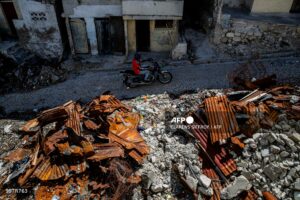


“Dozens of ordinary people, including many children, have been killed and injured in deadly drone strikes,” said Juanita Goebertus, director of the Americas division at HRW. These strikes “add a new dimension to the violence that has already been devastating communities for years,” she continued
Haiti, the poorest country in the Americas, has been plagued for years by violent criminal gangs that commit murder, rape, looting, and kidnapping. According to the UN, these gangs, which control almost the entire territory of the capital Port-au-Prince, killed nearly 6,000 people in 2025.
In an operation carried out on September 20, 2025, detailed by HRW, a drone strike “near a recreational complex” in Port-au-Prince killed “nine children aged between three and twelve.”
The NGO—like the UN before it—emphasizes that drone strikes carried out by Haiti are intensifying: in Port-au-Prince, they nearly doubled between November and the end of January compared to the previous quarter (57 versus 29), it estimates.


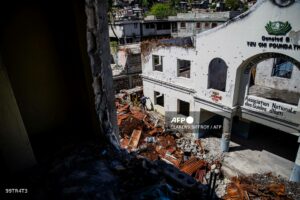
She notes the climate of “terror” they create for residents. One person describes drones in the sky “all day long.” “I live with this fear, this anxiety, all the time,” says a shopkeeper.
The United Nations Integrated Office in Haiti attributes the operations to an anti-gang force created to replace a UN mission supporting the Haitian police, which operates with “the private military company Vectus Global,” according to HRW.
Its American boss, Erik Prince, told the American press in the summer of 2025 that he had signed a one-year contract with the Haitian transitional government at the beginning of the year and hired Salvadoran operators to help the police use armed drones in their fight against gangs.
To document its report, HRW relied on testimonies from relatives of victims, community leaders, and doctors, as well as geolocated images and geolocated videos.
Humaniterre with AFP